




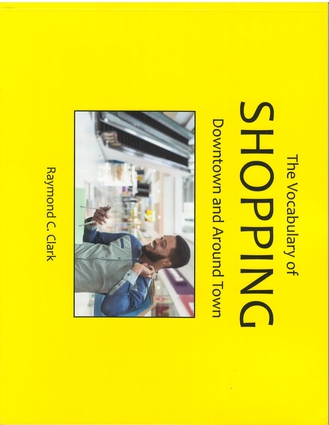

The Vocabulary of Shopping
Downtown and Around Town
-
LANGUAGE STUDY
122 Pages, 11 x 8.5
Formats: Paperback
Paperback, $5.00 (US $5.00) (CA $7.00)
Publication Date: January 2020
ISBN 9780866475006
Overview
We are currently refreshing our shelves and this title is discounted!
The Vocabulary of Shopping is a practical, engaging resource designed to help English learners navigate one of the most common and essential parts of everyday life: buying goods and services. Through eleven fully developed units, the book offers clear readings, targeted vocabulary exercises, and interactive communicative activities that build confidence in real-world shopping situations.
Students explore the language needed to shop effectively in a wide range of stores—from supermarkets and malls to hardware stores, convenience stores, and specialty shops. Each unit introduces vocabulary in context, helping learners understand not only what the words mean but also how they are used in authentic transactions, advertisements, price comparisons, and customer–store interactions.
The readings reflect everyday experiences and cultural norms surrounding shopping in English-speaking communities, while the exercises reinforce the form, meaning, and usage of key vocabulary. Cooperative activities give students opportunities to apply new language in practical scenarios, such as asking for assistance, comparing products, reading labels, returning purchases, or interpreting menus and store signage. This combination of language development and real-world communication makes the book especially valuable for adult education programs, community ESL classes, and newcomers building independence in English.
A free accompanying audio program provides additional listening practice, allowing learners to hear shopping-related language in realistic dialogues and announcements. Teachers will appreciate the photocopiable, no-prep format that makes the resource easy to integrate into lessons focused on functional language, consumer literacy, and everyday community life.
The Vocabulary of Shopping equips learners with the practical language they need to shop with confidence, independence, and cultural awareness.
Features- Free accompanying audio program, available to download from Pro Lingua Learning or stream on Pro Lingua Learning Audio.
- Free sample materials available at https://www.prolingualearning.com/the-vocabulary-of-shopping/.
- Eleven units covering everyday shopping scenarios and a variety of store types.
- Readings that introduce vocabulary in meaningful, realistic contexts.
- Vocabulary exercises that reinforce form, meaning, and practical usage.
- Communicative activities that help students apply new language in authentic shopping situations.
- Topics include supermarkets, convenience stores, hardware stores, shopping malls, and other common retail locations.
- Ideal for ESL, EFL, adult education, workplace English, and community integration programs.
- Money
- Potluck
- Getting a Fix on Vocabulary
- Where in the World

